MIG Welder

Practical MIG welding training focused on developing hands-on skills for industrial fabrication work.

MIG Welder Training

Practical Welding Skills for Industrial Fabrication

Explore the fundamentals of Metal Inert Gas (MIG) welding, including equipment, wire-feed processes, joint preparation, welding techniques and safety awareness. Learn about a welding process widely used in metal fabrication and manufacturing.

MIG Welding

High precision, clean finish, ideal for thin materials.

Akrinternational Mig Welder Training Focus

Course Overview

MIG stands for Metal Inert Gas welding. The process is commonly associated with Gas Metal Arc Welding (GMAW), in which a continuously fed electrode wire and an electric arc are used to create a weld.

A suitable shielding gas is commonly supplied through the welding gun to protect the molten weld area from atmospheric contamination. The electrode wire acts as the filler material as the weld is formed.

MIG welding is widely used in metal fabrication and manufacturing because the continuous wire-feed process can support efficient welding when the equipment, material and welding parameters are suitable.

MIG Welder training introduces learners to the process, its main equipment, basic welding principles and the importance of correct preparation and safety.

Training Focus

The MIG Welder training page focuses on key areas associated with learning about the process and developing welding-related technical knowledge.

MIG Welding Fundamentals

Understand the basic principles of wire-feed arc welding, the role of the electrode wire and the purpose of shielding gas.

Welding Equipment Familiarisation

Become familiar with the main components of MIG welding equipment and understand the purpose of each component.

Joint Preparation

Understand the importance of suitable joint preparation, clean surfaces and selecting an appropriate setup before welding.

Welding Technique

Explore the principles of welding gun handling, travel movement and maintaining consistent technique.

Weld Observation

Understand why weld appearance, process control and appropriate inspection are important in fabrication work.

Safety Awareness

Learn about welding hazards, protective equipment, ventilation and safe working practices in a welding environment.

The exact practical activities and equipment available should be confirmed with AKR International before publishing specific promises about workshop practice.

MIG Welding Equipment

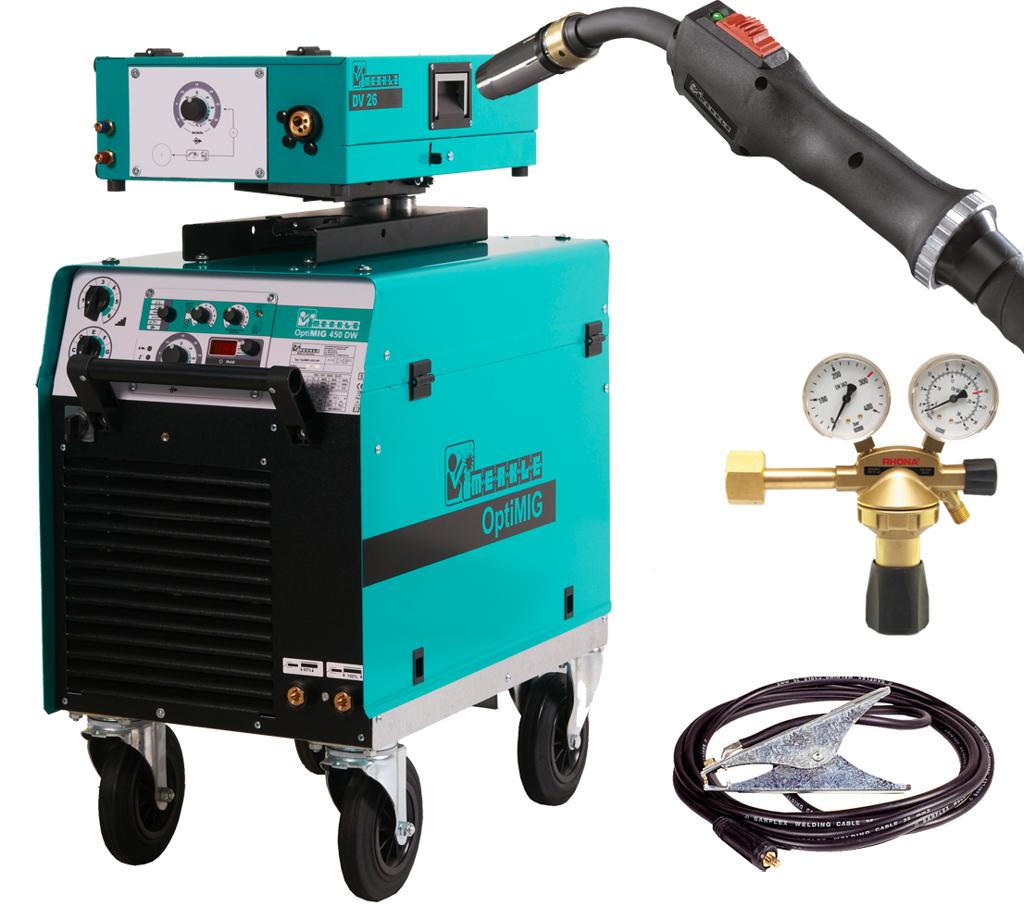
MIG welding requires suitable equipment to supply the welding current, feed the electrode wire and protect the weld area when shielding gas is used.

Welding Power Source

Provides the electrical power required to establish and maintain the welding arc.

Wire Feeder

Feeds electrode wire toward the welding gun at a controlled rate.

MIG Welding Gun

Guides the electrode wire and, where applicable, shielding gas toward the welding joint.

Electrode Wire

Acts as the continuously supplied electrode and typically provides filler metal for the weld.

Shielding Gas Supply

Supplies suitable shielding gas through the welding system when required by the process and application.

Work-Return Connection

Completes the electrical circuit between the workpiece and the welding power source.

Understanding these components helps learners become familiar with how a MIG welding system operates and why correct setup, inspection and safe handling are important.
Skills & Learning Areas

1. Process Knowledge

Understand the basic principles of MIG welding and how it differs from other welding processes.

2. Equipment Familiarisation

Identify the main components of a MIG welding system and understand their functions.

3. Material and Joint Preparation

Learn why suitable materials, clean surfaces and correct joint preparation are important before welding.

4. Welding Technique

Explore the relationship between gun handling, travel speed, wire feed and the formation of a weld.

5. Weld Quality Awareness

Understand the importance of observing the finished weld and recognising that defects may result from unsuitable preparation, settings or technique.

6. Workshop Safety

Develop awareness of arc radiation, heat, fumes, electrical hazards, fire risks and the need for appropriate protective equipment.

MIG Welding & TIG Welding

MIG and TIG are both arc welding processes, but they use different electrodes and equipment.

Feature

Electrode
Filler material
Equipment
Shielding
Main learning focus

TIG Welding

Gas Tungsten Arc Welding (GTAW)
Non-consumable tungsten electrodeContinuously fed wire
Usually supplied by the electrode wire
Wire feeder and welding gun
Suitable shielding gas
Wire-feed process and gun technique

Added separately when required
Shielding gas, commonly argon
Requires precise torch control and coordination
Precision, heat control and weld appearance

Stick ARC Welding

Non-consumable tungsten
Separate filler rod may be used
TIG torch and tungsten electrode
Torch control and precise arc handling
Suitable shielding gas
Torch control and precise arc handling

Understanding the MIG Welding Process

Welding positions describe how a joint is placed and how welding is performed relative to gravity. Position designations are important because weld-pool control, access and technique can change when the joint orientation changes.

How Does MIG Welding Work?

MIG welding uses an electric arc between the continuously fed electrode wire and the workpiece. The heat from the arc melts the wire and the relevant area of the base material, forming a weld as the process moves along the joint.

The shielding gas helps protect the weld area. The correct wire, gas, settings and technique depend on the material, thickness, joint design and application.

Understanding these fundamentals helps learners recognise how the process works and why equipment setup and controlled technique matter.

Main Characteristics of MIG Welding

  • Continuous wire feed: Electrode wire is supplied through the welding gun during the process.

  • Electric arc: The arc provides the heat required to form the weld.

  • Shielding gas: Suitable shielding gas helps protect the weld area from atmospheric contamination.

  • Filler material: The electrode wire contributes material to the weld.

  • Process control: Equipment settings, travel movement and joint preparation influence weld quality.

Applications of MIG Welding

MIG welding is commonly used in metalworking applications such as:

  • Metal fabrication and manufacturing

  • Steel frames and fabricated components

  • Suitable sheet-metal work

  • Industrial workshop fabrication

  • General welding and assembly applications

The appropriate welding process depends on the material, thickness, joint design, equipment and application.

Frequently Asked Questions

MIG stands for Metal Inert Gas welding. The term commonly refers to a wire-feed welding process in which electrode wire is continuously fed through a welding gun. Shielding gas selection depends on the process and application.

Typical equipment includes a welding power source, wire feeder, welding gun, electrode wire, cables and a work-return connection. A shielding gas supply and regulator are used where required.

MIG welding uses continuously fed electrode wire. TIG welding uses a non-consumable tungsten electrode and may use a separate filler rod. The two processes have different equipment, techniques and applications.

MIG welding is widely used in metal fabrication and manufacturing. The suitable process depends on the material and the requirements of the job.

Yes. Individuals interested in welding fundamentals can contact AKR International to discuss suitability and available training options.

Employment and certification outcomes should not be assumed. Contact AKR International for confirmed details about the specific programme and any applicable assessment or certification.

Who May Be Interested?

MIG Welder training may be suitable for:

  • Individuals interested in learning welding fundamentals

  • Beginners exploring welding and fabrication trades

  • Candidates interested in practical industrial skills

  • Technical workers developing their understanding of MIG welding

Contact AKR International to discuss your background and the training options currently available.

Interested in MIG Welder Training?

Explore welding fundamentals, equipment and fabrication-related skills. Contact AKR International to enquire about MIG Welder training and learn about the available options.

Related Training Categories

Explore TIG and ARC welding processes and multi-position welding techniques.

Learn about training focused on different welding positions.

Explore training related to piping systems and fitting skills.

Discover skills associated with metal fabrication and structural work.

Ready to Start MIG Welder Training?

Interested in developing your knowledge of horizontal, vertical and overhead welding positions?

Contact AKR International to ask about the available training, entry requirements, practical learning arrangements and next steps.

AKR International Pvt Ltd
Narkatiya Farm, Ward No. 11, West Champaran, Bihar, India