TIG & ARC Welder

Practical TIG & ARC welding training focused on developing hands-on skills for industrial fabrication work.

TIG & ARC Welding

Welding is a process used to join metal components by applying heat, with or without pressure and additional filler material, depending on the method. It is widely used in fabrication, maintenance, construction and industrial work.

TIG and ARC welding are two different welding processes. Both require suitable equipment, correct preparation, control of the welding process and attention to safety. However, they use different electrodes and shielding methods.

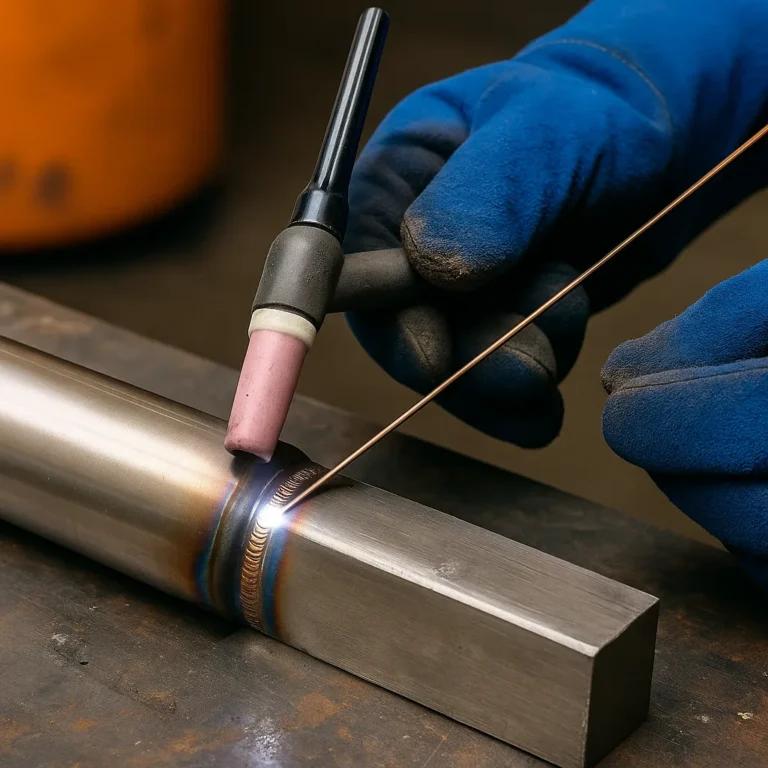
TIG Welding

High precision, clean finish, ideal for thin materials.

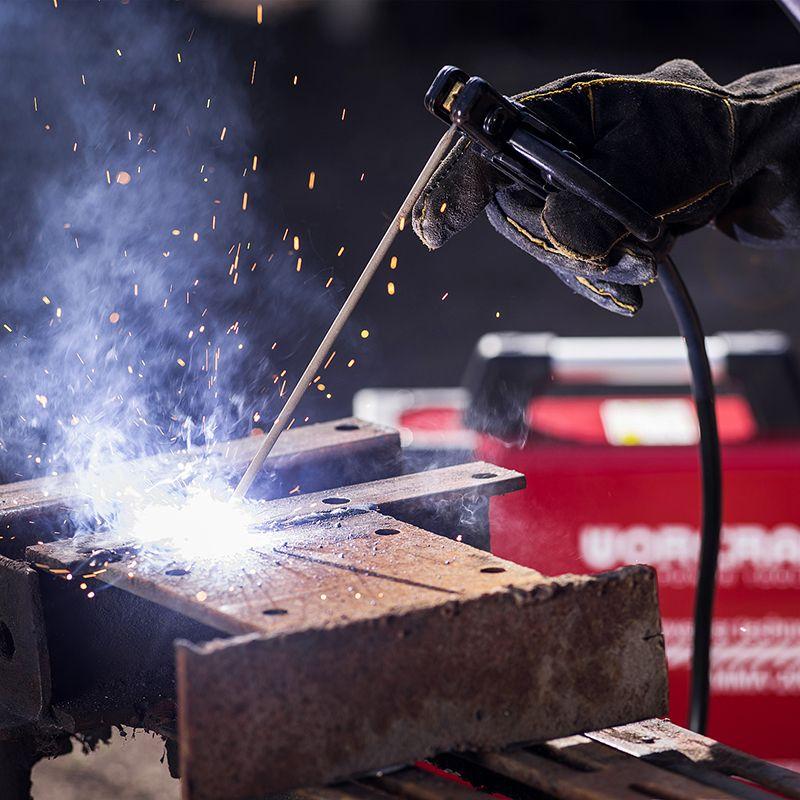
ARC Welding

Strong, versatile and widely used in industrial work

akr international tig welding

Course Overview

This training focuses on developing practical knowledge and hands-on skills in TIG (Tungsten Inert Gas) and ARC welding processes. The program is designed to help learners build competence in multi-position welding techniques commonly used in industrial and fabrication environments.

Training Focus

Skills & Learning Areas

What Is TIG Welding?

TIG Welding

TIG stands for Tungsten Inert Gas welding. Its technical name is Gas Tungsten Arc Welding (GTAW).

TIG welding uses a non-consumable tungsten electrode to create the welding arc. A shielding gas, commonly argon, protects the weld area from atmospheric contamination. Filler metal may be added separately when required by the joint and welding procedure.

TIG welding is often selected where precise control and a clean weld appearance are important. The process requires coordination, concentration and suitable control of heat input.

What Is ARC Welding?

ARC Welding

In this training context, ARC welding refers to conventional electrode or stick welding, commonly known as Shielded Metal Arc Welding (SMAW).

The process creates an arc between the workpiece and a consumable, flux-coated electrode. The electrode supplies filler metal, while its flux coating helps protect the molten weld metal and forms slag over the weld.

ARC welding is used in many fabrication, construction and maintenance situations. The correct electrode, current setting, joint preparation and working technique depend on the material, thickness, position and applicable welding procedure.

Basic Equipment Used in TIG and ARC Welding

Understanding the equipment is an important first step in learning a welding process. Equipment selection and setup must follow the applicable welding procedure and the manufacturer’s instructions.

TIG Welding Equipment

  • TIG torch: Holds the tungsten electrode and directs the shielding gas.

  • Tungsten electrode: Creates the arc without being consumed as filler metal.

  • Power source: Supplies the electrical output needed for the selected welding process.

  • Shielding gas supply: Commonly argon, delivered through the appropriate regulator and gas-flow equipment.

  • Filler rod: Added separately when the joint and procedure require filler metal.

  • Work return connection: Completes the electrical circuit as specified by the equipment setup.

Stick ARC Welding Equipment

  • Welding power source: Provides the current needed for the selected electrode and application.

  • Electrode holder: Holds the consumable flux-coated electrode.

  • Welding electrode: Provides filler metal and flux-based protection.

  • Work return clamp and cable: Complete the electrical circuit when correctly connected.

  • Slag-removal tools: Used where appropriate to remove slag and prepare the weld for inspection or further work.

Materials and Joint Preparation

Before welding, the material type, thickness, joint design and applicable procedure should be checked. Surfaces may require cleaning, and the joint may need suitable fit-up and preparation. The correct electrode, filler metal, shielding gas and process settings depend on the job requirements.

Equipment familiarity is not a substitute for supervised practice or following the approved welding procedure.

TIG Welding & ARC Welding

TIG and stick ARC welding both use an electric arc, but they differ in how the electrode, filler metal and weld protection are handled.

Feature

TIG Welding

Stick ARC Welding

Technical name
Electrode
Filler metal
Weld protection
Process control
Common considerations

Gas Tungsten Arc Welding (GTAW)
Non-consumable tungsten electrode
Added separately when required
Shielding gas, commonly argon
Requires precise torch control and coordination
Precision, heat control and weld appearance

Shielded Metal Arc Welding (SMAW)
Consumable flux-coated electrode
Supplied by the electrode
Flux coating generates protective gases and slag
Requires control of electrode angle, arc length and travel
Versatility, electrode selection and working conditions

Which Process Should You Learn?

The best process depends on the type of work, material, joint, position and required weld quality. TIG can be useful when precise control is important, while stick ARC is widely used in many construction, fabrication and maintenance applications.

Learning about both processes helps a trainee understand their differences and the factors that influence process selection.

Understanding 2G and 6G Welding Positions

Welding positions describe how a joint is placed and how welding is performed relative to gravity. Position designations are important because weld-pool control, access and technique can change when the joint orientation changes.

What Is 2G Welding?

2G generally refers to a horizontal groove-welding position. The joint is arranged so that the weld axis is horizontal. The precise setup and test arrangement depend on whether the work involves plate or pipe and on the applicable qualification standard.

What Is 6G Welding?

6G commonly refers to a pipe welding position in which the pipe is fixed at an angle of approximately 45 degrees and is not rotated during welding. The welder must work around the fixed joint, adapting technique as the position changes.

Why Do Welding Positions Matter?

Different positions can affect weld-pool control, access, travel technique and the risk of imperfections. Position-based practice helps learners understand that a technique suitable for one orientation may need adjustment for another.

The exact positions covered, practice arrangements and qualification requirements should be confirmed with AKR International before enrolment. Learning about a position does not automatically mean that a trainee receives a welding qualification or certification.

TIG Welding & ARC Welding

Developing welding skills involves more than striking an arc. Learners need to understand the process, prepare materials correctly, use equipment as instructed and recognise the importance of safe working practices.

Process Awareness

Understand the basic principles and differences between TIG and stick ARC welding.

Equipment Familiarity

Identify the main equipment components and learn their purpose.

Welding Technique

Understand the importance of torch or electrode angle, travel movement, arc control and heat input.

Joint Preparation

Recognise the role of material cleaning, joint fit-up and preparation before welding.

Position Awareness

Learn why the joint orientation affects access and welding technique.

Weld Observation

Understand the need to examine weld appearance and recognise when further inspection may be required.

Essential Safety Awareness

Welding can involve intense light, heat, hot metal, fumes, electric shock and fire hazards. Appropriate protective equipment, ventilation, suitable eye and face protection, gloves, safe electrical connections and fire prevention measures are essential.

Welding should be performed only with suitable instruction, a safe work area and the correct equipment. Learners must follow the instructor’s directions, workplace procedures and applicable safety requirements.

Who May Be Interested in TIG & ARC Welding Training?

This training option may interest:

  • Beginners who want to understand the fundamentals of TIG and stick ARC welding.

  • Individuals interested in metal fabrication and industrial trades.

  • Learners who want to understand the differences between welding processes.

  • Candidates interested in developing position-based welding skills.

  • Existing technical workers who want to explore additional welding techniques.

The right starting point depends on your current skills, goals and the training available. Contact AKR International to discuss course suitability and entry requirements.

Frequently Asked Questions

TIG stands for Tungsten Inert Gas. Its technical name is Gas Tungsten Arc Welding (GTAW).

Stick ARC welding is commonly known as Shielded Metal Arc Welding (SMAW). It uses a consumable, flux-coated electrode to create the arc and supply filler metal.

A: AKR International Pvt Ltd is based at Narkatiya Farm, Ward No. 11, West Champaran, Bihar, India.

TIG uses a non-consumable tungsten electrode and shielding gas. Stick ARC uses a consumable flux-coated electrode that supplies filler metal and helps protect the weld.

They are welding-position designations. 2G generally describes horizontal groove welding, while 6G commonly describes pipe fixed at approximately 45 degrees. The exact arrangement depends on the applicable standard and test configuration.

Yes. They use different electrodes and methods of weld protection, and each requires its own equipment setup and technique.

Certification and employment depend on the applicable programme, assessment requirements and individual circumstances. Contact AKR International to confirm what is included in the current training option.

Submit an enquiry through the website’s admission enquiry page or call AKR International at +91 99313 53047.

Interested in TIG & ARC Welding Training?

Submit an enquiry to receive guidance on this training and the next steps.

Related Training Categories

MIG Welder

2G / 3G / 4G Welder

Pipe Fitter

Structural Fabricator

Ready to Start TIG & ARC Welding Training?

Interested in developing your knowledge of horizontal, vertical and overhead welding positions?

Contact AKR International to ask about the available training, entry requirements, practical learning arrangements and next steps.

AKR International Pvt Ltd
Narkatiya Farm, Ward No. 11, West Champaran, Bihar, India