
2G / 3G / 4G Welder

Position-based welding training focused on developing practical skills in 2G, 3G and 4G welding techniques.

2G/3G/4G Welder Training

Develop Practical Skills in Horizontal, Vertical and Overhead Welding

Build your understanding of multi-position groove welding with 2G, 3G and 4G welding techniques. This training area focuses on the challenges of welding in different positions, including joint preparation, weld-pool control, technique, weld appearance and safe working practices.

At AKR International, Narkatiya Farm, Ward No. 11, West Champaran, Bihar, interested candidates can enquire about available welding training and the next steps.

2G

3G

4G

akrinternational 2g welding
akr international 3g welding
akr international 4g welding

Course Overview

2G, 3G and 4G are welding position designations used for groove welds. Each position changes the orientation of the workpiece and the way the welder must control the molten weld pool.

Understanding these positions is important for people developing welding skills for fabrication and other industrial applications. The learning focus includes recognising each position, understanding the challenges it presents, following appropriate welding procedures and developing consistent technique.

The exact welding processes, practical exercises and assessment arrangements should be confirmed with AKR International before enrolment.

Understanding 2G, 3G and 4G Welding Positions

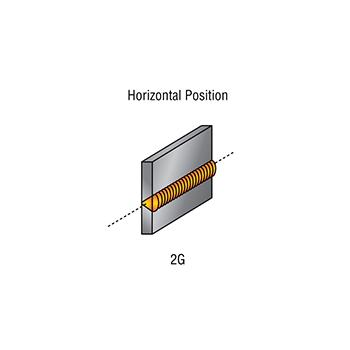
2G Welding — Horizontal Position

In the 2G groove-welding position, the plate is vertical while the groove weld axis runs horizontally. Gravity can cause molten weld metal to sag, so controlling the weld pool and maintaining consistent movement are important.

Key learning areas:

  • Understanding the horizontal groove-welding setup.

  • Recognising joint alignment and preparation requirements.

  • Understanding torch or electrode positioning as appropriate to the welding process.

  • Maintaining consistent travel and weld-pool control.

  • Identifying common weld appearance problems.

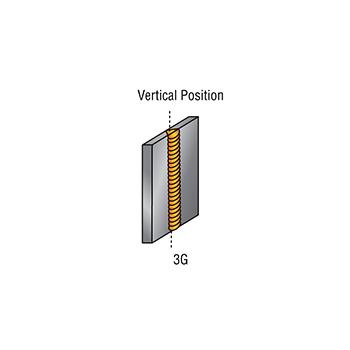
3G Welding — Vertical Position

In the 3G groove-welding position, the weld axis is vertical on a vertically positioned plate. The welder must manage the weld pool carefully to help prevent sagging and maintain suitable fusion and bead formation.

Key learning areas:

    • Understanding vertical groove-welding orientation.

    • Learning why gravity affects molten weld metal.

    • Understanding vertical-up and vertical-down techniques where applicable to the process and procedure.

    • Maintaining suitable travel movement and weld-pool control.

    • Recognising the importance of consistency and weld quality.

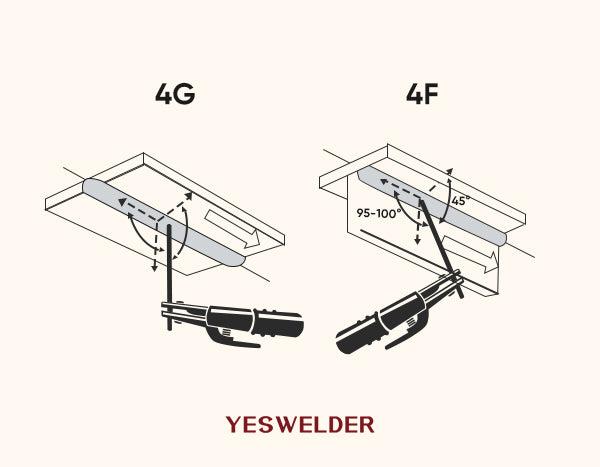
4G Welding — Overhead Position

In the 4G groove-welding position, welding is performed from underneath a horizontal plate. Because the work is carried out overhead, weld-pool control, correct positioning and safe working practices are particularly important.

Key learning areas:

    • Understanding the overhead groove-welding setup.

    • Recognising the challenges of working beneath the joint.

    • Understanding the importance of suitable welding parameters and technique.

    • Maintaining awareness of molten metal, sparks and overhead hazards.

    • Identifying the characteristics of a consistent weld bead.

Note: 2G, 3G and 4G describe groove-weld positions. They should not be confused with 2F, 3F and 4F, which describe fillet-weld positions.

Training Focus

The training focus can include the following subject areas, depending on the programme and practical facilities available:

  • Welding position fundamentals: Understanding the orientation and differences between 2G, 3G and 4G.

  • Joint preparation: Understanding joint fit-up, alignment, cleanliness and preparation before welding.

  • Equipment familiarisation: Learning about relevant welding equipment and its safe use.

  • Welding technique: Understanding movement, travel consistency, positioning and weld-pool control.

  • Weld quality awareness: Recognising bead appearance, consistency and common welding imperfections.

  • Safety practices: Understanding PPE, ventilation, electrical safety, fire prevention and safe work positioning.

Skills & Learning Areas

1. Position Recognition

Understand the difference between horizontal, vertical and overhead groove welding and identify how the joint orientation affects the work.

2. Joint Preparation and Fit-Up

Learn why suitable edge preparation, alignment, cleanliness and joint fit-up matter before welding begins.

3. Weld-Pool Control

Understand how gravity affects the molten weld pool and why technique must be adjusted for different positions.

4. Technique and Consistency

Develop an understanding of steady movement, suitable positioning and consistent bead formation according to the welding process and procedure.

5. Weld Quality Awareness

Learn to observe weld appearance and recognise common imperfections that may require review or correction.

6. Workplace Safety

Understand the use of appropriate personal protective equipment, safe equipment handling and precautions against sparks, heat, fumes and electrical hazards.

Why Learn Multiple Welding Positions?

Welding is not always performed on a flat surface in a convenient position. Fabrication work may involve joints in different orientations, so understanding positional welding helps candidates develop broader technical knowledge.

Learning about 2G, 3G and 4G can help candidates:

  • Understand the challenges associated with different groove-welding positions.

  • Build awareness of joint preparation and weld quality.

  • Develop a foundation for position-specific welding practice.

  • Understand the importance of following welding procedures and safety requirements.

  • Explore further development in welding and fabrication trades.

Training outcomes depend on the actual programme, practical experience and individual progress.

Where Are These Welding Skills Relevant?

Position-based welding knowledge may be relevant to industrial and fabrication activities such as:

  • Structural steel fabrication.

  • Metal fabrication and assembly.

  • Workshop-based welding work.

  • Industrial maintenance and repair.

  • Fabricated plate and structural components.

The welding process, material, joint design and required quality standard vary by application. This page describes general learning areas and does not guarantee qualification for a particular industrial job or welding code.

Welding Safety and Good Working Practices

Safe welding requires preparation, awareness and correct working procedures. Important areas include:

  • Wearing suitable welding PPE, including appropriate eye and face protection.

  • Using suitable gloves and protective clothing.

  • Ensuring adequate ventilation and following precautions for welding fumes.

  • Checking equipment, cables, connections and work areas before use.

  • Keeping flammable materials away from sparks and hot metal.

  • Following safe procedures for overhead work and handling hot components.

  • Following the applicable welding procedure and instructor guidance.

Practical welding should only be carried out with suitable equipment, supervision where required and appropriate safety controls.

Frequently Asked Questions

They are groove-welding position designations. 2G refers to horizontal welding, 3G to vertical welding, and 4G to overhead welding on plate.

The main difference is the orientation of the joint and the direction in which welding is performed. Each position presents different challenges for weld-pool control and technique.

No. The letter G refers to a groove weld, while F refers to a fillet weld. Therefore, 3G and 3F describe different weld types in the vertical position.

Overhead welding can be challenging because welding is performed from beneath the plate and gravity affects the molten weld pool. Suitable technique, preparation and safety precautions are important.

Position codes describe the weld position and type, not a specific welding process. The process used depends on the training programme, materials, joint requirements and applicable procedure.

No. 2G, 3G and 4G are plate groove-welding positions. 6G commonly refers to a fixed pipe-welding test position with the pipe set at an angle. The requirements and applications are different.

Certificate eligibility, assessment arrangements and employment support depend on the programme and the institute’s current policies. Contact AKR International to confirm the details before enrolment.

Who May Be Interested in 2G / 3G / 4G Welder Training?

This training may be relevant to:

  • Individuals interested in learning welding and fabrication skills.

  • Beginners exploring industrial technical trades.

  • Candidates who want to understand different groove-welding positions.

  • Learners looking to develop their existing welding knowledge.

  • Individuals exploring further technical skill development in welding.

The suitable entry level and any prerequisites should be confirmed with AKR International.

Interested in 2G / 3G / 4G Welder Training?

Submit an enquiry to receive guidance on this training and the next steps.

Ready to Start 2G / 3G / 4G Welder Training?

Interested in developing your knowledge of horizontal, vertical and overhead welding positions?

Contact AKR International to ask about the available training, entry requirements, practical learning arrangements and next steps.

AKR International Pvt Ltd
Narkatiya Farm, Ward No. 11, West Champaran, Bihar, India